
The Thrill of Uncertainty
The allure of gambling in casinos largely stems from the thrill of uncertainty. Patrons are drawn to the unpredictability of outcomes, where each spin of the wheel or flip of a card carries the promise of a life-altering event. This excitement triggers a potent mix of emotions, from hope to anxiety, which keeps players engaged for extended periods. Many enjoy exploring options like 1win to find the perfect venue for their gaming experiences. The adrenaline rush produced by the potential for a big win creates a sense of immediacy that few other activities can replicate. The anticipation that builds as players wait for the outcome of a game is a unique psychological phenomenon that fuels their desire to participate.
This emotional high is driven by the brain’s reward system, particularly the release of dopamine, a neurotransmitter associated with pleasure. When players win, even small amounts, it reinforces their desire to continue gambling. The anticipation of a forthcoming win can dominate the gambling experience, making losing streaks feel tolerable in the context of chasing that next high. This psychological mechanism explains why many individuals find it difficult to walk away from a game, even when they are at a financial loss. The concept of “chasing losses” becomes prevalent, where players believe that one more game could dramatically change their fortunes.
Moreover, the design of casinos enhances this psychological thrill. The vibrant lights, captivating sounds, and often elaborate themes create an immersive environment that feels almost dreamlike. These sensory stimulants are intentionally crafted to prolong a gambler’s stay and encourage further play. By creating an atmosphere that amplifies excitement, casinos capitalize on the innate human desire for risk and reward, drawing individuals deeper into the gambling experience. The combination of visual stimulation and auditory cues sets the stage for a captivating experience that can be hard to resist.
The Illusion of Control
An interesting aspect of gambling psychology is the illusion of control. Many players believe that they can influence outcomes through skill or strategy, even in games that are purely chance-based, such as slot machines. This belief can create a false sense of mastery, leading players to take greater risks than they might in other situations. The idea that one can “beat the odds” adds another layer of excitement and can become a significant driver for continued participation. This phenomenon speaks to the human tendency to seek patterns and control in situations that are largely random.
This illusion is often bolstered by anecdotal evidence and stories from peers, where individuals recount successes that seem to validate their strategies. However, the reality is that games like roulette and slots operate on random number generators, meaning outcomes are entirely independent of player actions. Yet, even understanding this theoretically does little to diminish the belief that skill can influence luck, illustrating a fascinating disconnect in gambling behavior. Players may cling to rituals or betting strategies that they believe enhance their chances, despite the absence of any statistical backing.
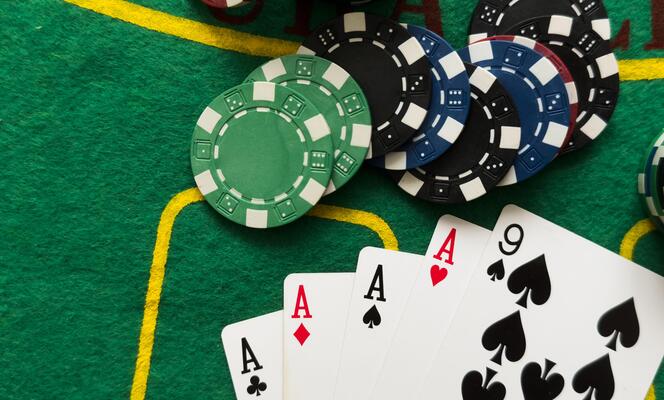
Gamblers frequently fall victim to cognitive biases, such as the gambler’s fallacy—the mistaken belief that past events can affect future outcomes. For instance, a player might think that a slot machine must pay out soon after a series of losses, leading them to continue betting. This psychological phenomenon reveals how our cognitive processes can distort our judgment, driving us to act in ways that defy logic and probability. The compulsion to continue betting based on these flawed beliefs is a powerful illustration of how psychology can impact decision-making in gambling contexts.
The Social Aspect of Gambling
The social environment of casinos plays a crucial role in shaping the gambling experience. Many players enjoy the communal aspect of gambling, whether it’s cheering with friends during a card game or sharing collective excitement at a roulette table. This social interaction can enhance the enjoyment of gambling, making it not just about individual wins but also about connections formed with others. Casinos are designed to be social spaces, facilitating interactions that deepen the overall experience. The ambiance of shared enthusiasm can magnify the thrill of the game, creating unforgettable memories.
Having companions during play can also lead to increased risk-taking behavior. The presence of friends can serve as a form of social validation, encouraging individuals to make bolder bets or stay longer than they might alone. As participants feed off each other’s enthusiasm, the risks associated with gambling often seem less daunting, leading to behaviors that might not occur in solitary play. This dynamic reinforces the notion that gambling is not just a personal endeavor but a shared experience that fosters camaraderie and can heighten the emotional stakes involved.
Additionally, many casinos offer incentives for group play, such as loyalty programs or group deals, further promoting social engagement. These initiatives create a sense of belonging among players, fostering an environment where extended play is encouraged. As gamblers share in both triumphs and losses, the social context can obscure individual accountability for financial outcomes, leading to a more profound psychological immersion in the gambling experience. This socialization can create a sense of community, further entrenching individuals in the gambling culture.
The Role of Near Misses
A critical element in gambling psychology is the phenomenon of near misses. Players often interpret near wins—situations where they almost achieved a win—as promising signs that a win is imminent. This perception can be more motivating than actual wins, as the emotional charge associated with being so close to success can keep players engaged longer. This psychological tactic exploits the brain’s reward circuitry, leading gamblers to experience excitement even in loss. The sense of being “so close” can create an addictive cycle that draws players back time and again.

Research suggests that near misses can trigger dopamine release similar to that of a win, reinforcing the desire to continue playing despite negative outcomes. This dynamic can create a cycle where players keep returning, believing that they are just one game away from a significant win. The concept of near misses translates into a betting environment where losses feel less discouraging, perpetuating the gambling behavior. The emotional investment in these moments can lead players to rationalize continued gambling as they chase the elusive feeling of success.
Furthermore, casinos often employ game designs that enhance the likelihood of near misses. For example, slot machines may be programmed to display sequences that suggest imminent payouts, encouraging players to invest more time and money. By taking advantage of this psychological phenomenon, casinos effectively manipulate players’ perceptions and keep them on the gambling floor longer, ultimately increasing their likelihood of spending more money. The clever incorporation of near misses into game mechanics is a sophisticated strategy that capitalizes on human psychology.
Understanding Casino Psychology and Its Implications
Understanding the psychology behind gambling can help inform responsible gambling practices. As those who frequent casinos become more aware of the psychological triggers at play, they can make more informed choices about their gambling behavior. Education about the mechanisms of addiction and risk-focused strategies can empower individuals to engage in gambling as a form of entertainment rather than a potential source of financial strain. Awareness of psychological factors can foster a more balanced approach to gambling, allowing for enjoyment without succumbing to negative consequences.
For instance, recognizing the lure of the thrill, illusion of control, and social influences can prompt gamblers to set strict limits on their time and money. Institutions and organizations can play a pivotal role in promoting awareness of these psychological factors, offering resources for education and support for responsible gambling. By fostering a culture of mindful gambling, the negative impacts of addiction can be mitigated, and individuals can enjoy the entertainment value of gambling without overstepping their financial boundaries.
Additionally, the rise of online gambling has shifted the landscape of casino psychology. Gamblers now face unique challenges and temptations in a digital space that can amplify feelings of isolation or urgency. Understanding these complexities is essential for both players and regulators as they navigate the evolving world of casinos. As more people engage with gambling environments, a robust understanding of the underlying psychology will be increasingly vital for promoting healthier interactions with gambling, ensuring that the experience remains enjoyable and safe.